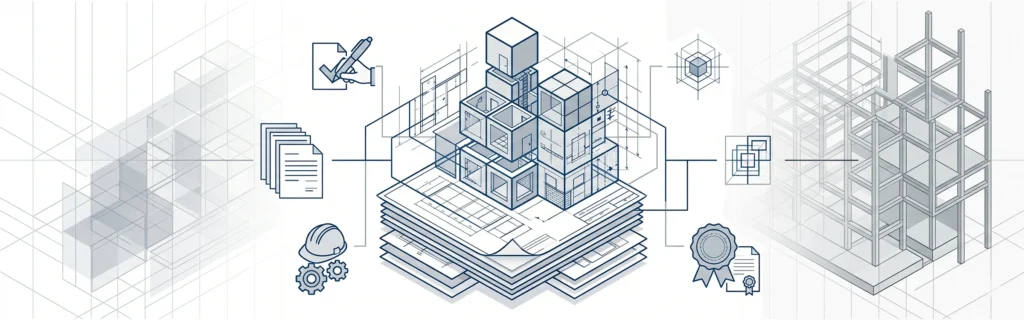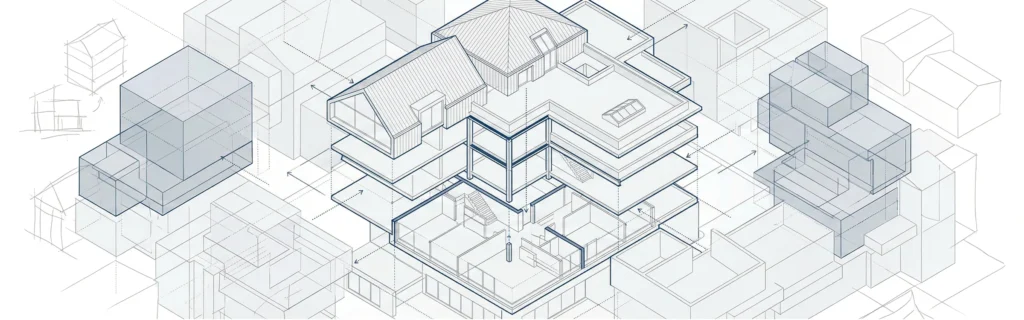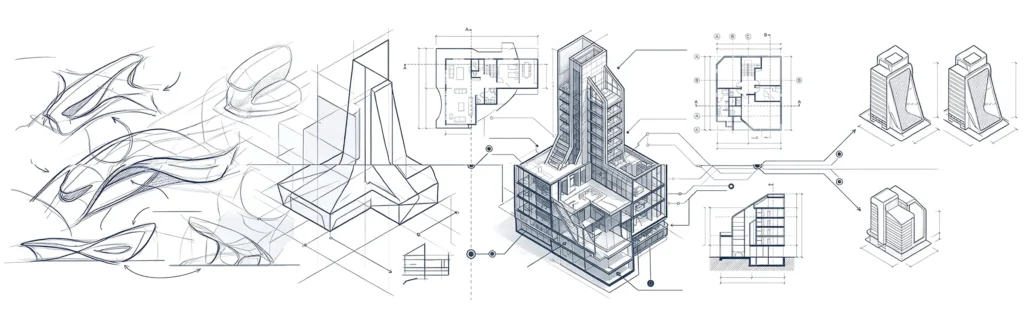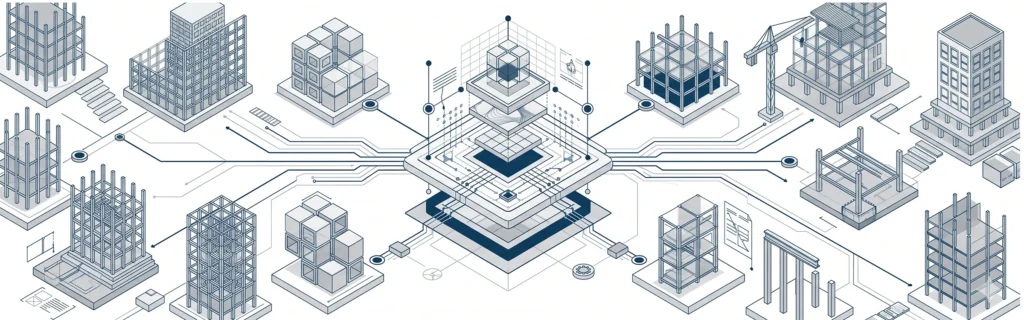
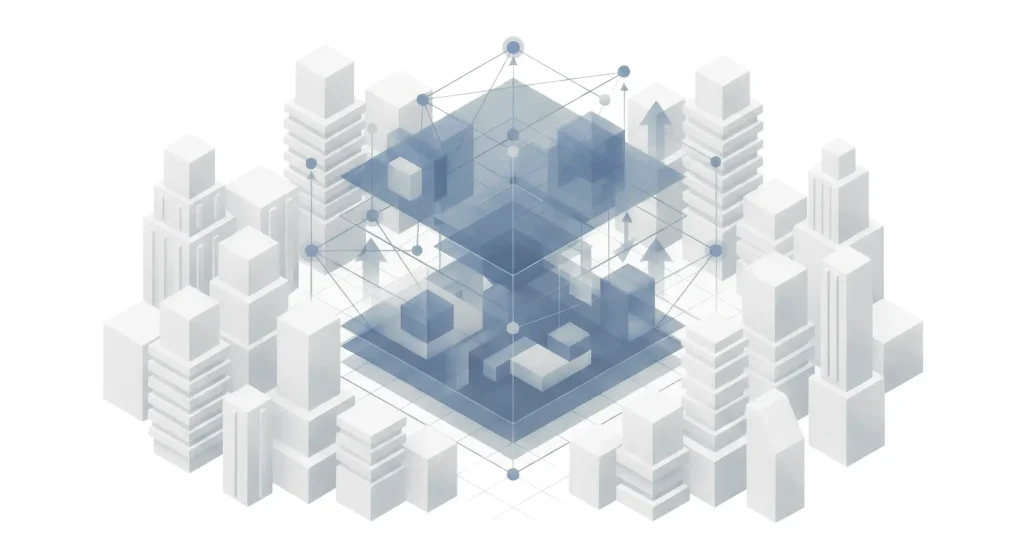

The construction industry is experiencing a large-scale digital transformation driven by the need for better coordination, efficiency, and transparency. Building Information Modeling (BIM) has become a core methodology that reshapes how building projects are planned, delivered, and managed. Instead of relying on disconnected drawings and fragmented documentation, BIM enables project teams to work with a shared, data-driven digital representation of the built environment.
In modern construction, BIM is no longer optional. It supports collaboration across the entire project lifecycle, improves construction planning, and enables better project outcomes for all parties involved.
What Is BIM
So, what is BIM?
BIM is a structured process that integrates people, technologies, and data to create and manage digital information about a built asset. Rather than serving as a standalone design output, BIM supports informed decision-making throughout design, construction, and facility operations.
By combining geometry with data, BIM enables construction professionals to manage building projects with greater accuracy, efficiency, and predictability.
What Does BIM Stand For
BIM stands for Building Information Modeling.
- Building refers to buildings, infrastructure, and existing buildings within the built environment.
- Information includes structured project information such as materials, quantities, schedules, costs, and functional characteristics.
- Modeling represents the process of creating and maintaining a coordinated building description system.
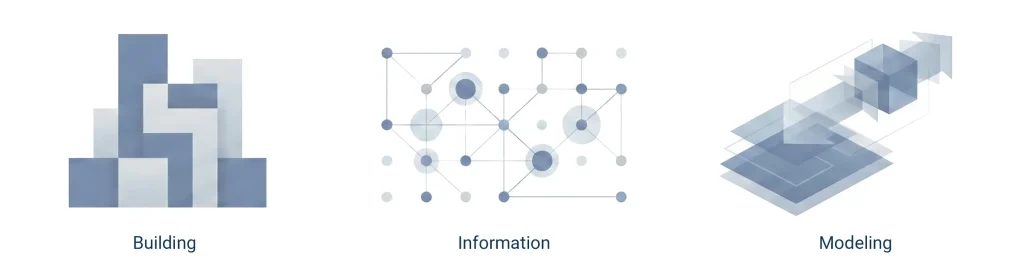
Together, these elements define BIM as a shared knowledge resource used by project participants across the AEC industry.
What Is Building Information Modeling in Practice
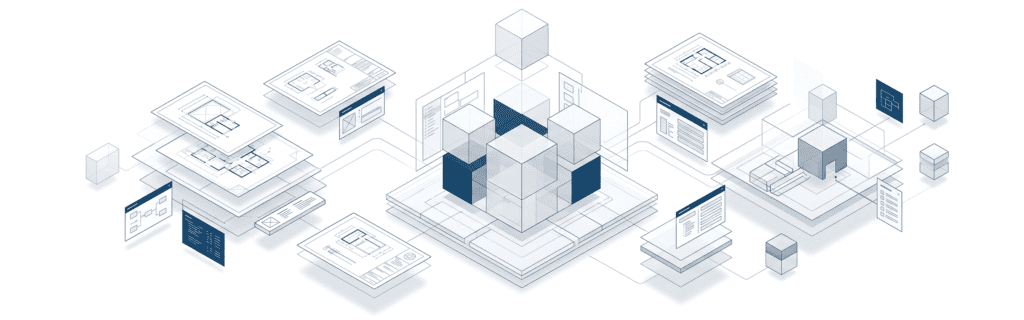
Building information modeling is not limited to BIM software. It is a collaborative BIM process that connects design, engineering, and construction teams through shared BIM data. Information is stored and exchanged within a common data environment, ensuring consistency and accuracy across all project stages.
From early design phase studies to detailed construction management and facility management, BIM supports the entire project lifecycle. This approach enables efficient management, reduces errors, and improves coordination between all parties involved.
For many companies, implementing BIM effectively requires not only the right tools, but also experienced specialists who understand real-world construction workflows. This is why organizations often rely on professional BIM modeling support to ensure accurate models, consistent data, and smooth collaboration across project teams, especially on complex or large-scale building projects.
What Is a BIM Model
A BIM model is a data-rich digital representation of a building or infrastructure asset. In addition to 3D geometry, it includes physical and functional characteristics, construction intent, and project information that evolves over time.
Each BIM object within the building model contains functional aspects such as material properties, performance parameters, and maintenance requirements. This information supports asset management, facility operations, and long-term building management after construction is complete.
How BIM Works
BIM workflows are built around collaboration and information exchange. Project teams work within coordinated BIM environments where BIM data flows between disciplines such as architecture, structural engineering, MEP engineering and civil engineering.
Using standardized formats like Industry Foundation Classes (IFC), BIM enables interoperability between BIM tools and CAD software. Throughout the project lifecycle, BIM workflows support construction planning, cost analysis, coordination, and efficient project management.

How Is BIM Used in Construction
In construction projects, BIM is applied across multiple phases to support planning, coordination, and execution. Before construction begins, BIM helps construction teams visualize construction intent, identify risks, and align design and construction requirements.
Once construction begins, BIM workflows support construction progress tracking and coordination on construction sites. Project managers use up-to-date BIM data to compare planned and actual conditions, manage changes, and improve communication between project participants.
By linking the building model with schedules and project costs, BIM enables more accurate construction planning and supports predictable project outcomes for project owners and construction management teams.
BIM vs CAD: What Is the Difference
Traditional CAD approaches focus on drawings and geometry, often resulting in fragmented information. While computer aided design (CAD) remains useful, it lacks the integrated data structure required for modern construction workflows.
BIM differs from CAD software by providing a centralized digital representation that includes geometry, data, and relationships. This enables better collaboration, improved project outcomes, and more efficient management throughout the construction sector.

Who Uses BIM
BIM is widely used across the AEC industry by:
- Architects and structural engineers
- MEP (mechanical, electrical and plumbing) engineers
- Civil engineers and construction professionals
- Project managers and construction management teams
- Project owners and developers
- Facilities managers responsible for asset management
Each stakeholder benefits from access to relevant information within a connected BIM ecosystem.
Benefits of BIM
BIM delivers measurable benefits across building projects by improving coordination, efficiency, and decision-making.
Benefits of BIM for Design Teams
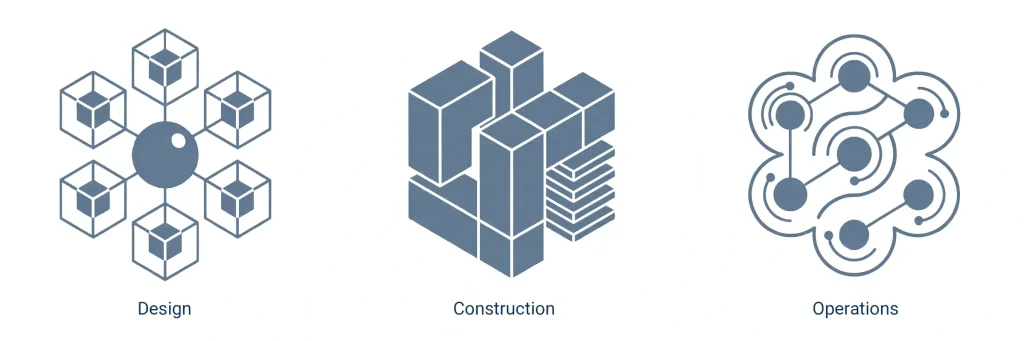
Design teams use BIM to align design and construction intent, reduce errors, and develop coordinated building systems that support better project outcomes.
Benefits of BIM During Construction
Construction teams benefit from improved construction planning, optimized material costs, reduced rework, and better coordination between construction teams on site.
Benefits of BIM for Post-Construction and Operations
After handover, BIM supports facility management, asset management, and long-term building management. Facilities managers can manage buildings more efficiently, reduce maintenance costs, and support energy performance analysis.
From a broader perspective, BIM consolidates project information into a shared knowledge resource that improves cost analysis, supports efficient management, and enables better project outcomes across the project lifecycle.
BIM Levels Explained
BIM levels describe the maturity of BIM adoption and collaboration.
Level 0 BIM (2D)
Basic use of CAD software with limited data exchange.
Level 1 BIM (2D/3D)
Managed CAD models with standardized documentation.
Level 2 BIM (4D/5D)
Collaborative BIM using shared models and a common data environment.
Level 3 BIM (6D/7D)
Fully integrated BIM with real-time collaboration and data-driven workflows across the BIM ecosystem.
Understanding each BIM level helps organizations develop a clear BIM strategy and approach to BIM implementation.
What Software Is Used for BIM
BIM software supports different stages of the BIM process, including authoring, coordination, and construction management. The focus should be on aligning BIM tools with project requirements rather than creating tool-centric workflows.
Common BIM Use Cases by Industry
BIM is applied differently across building projects and industries:
- Architecture and design
- Engineering and infrastructure
- Construction and AEC projects
- Manufacturing and prefabrication
Each use case relies on accurate, up-to-date project information to support collaboration and project outcomes.
Challenges and Limitations of BIM
Despite its benefits, BIM adoption can present challenges such as high initial costs, learning curves, data standards, and coordination between parties involved. Addressing these limitations is critical for successful BIM implementation in the construction sector.
The Future of BIM
The future of BIM includes digital twins, cloud collaboration, automation, and AI-driven workflows. BIM enables organizations to manage buildings more intelligently and support sustainable development across the built environment.
Outsourcing BIM Services
Many companies choose to outsource BIM modeling services to scale project teams, improve accuracy, and accelerate delivery. Learn more about outsource BIM modeling services .
When You Need Professional BIM Modeling Support
Professional BIM modeling support is especially valuable for complex AEC projects, organizations with limited internal resources, and companies aiming for efficient management without expanding internal teams.
FAQ
What does BIM stand for in construction
BIM stands for Building Information Modeling and refers to a structured process for creating and managing digital information throughout the lifecycle of a construction project. It combines a digital representation of a built asset with data that supports design, construction, and facility operations.
Is BIM software or a process
BIM is primarily a process, supported by BIM software and standardized workflows. While BIM tools help create and manage models, the real value comes from how project teams use shared data to collaborate, coordinate, and improve project outcomes across the construction industry.
What is the difference between BIM and 3D modeling
The main difference is that BIM goes far beyond geometry. BIM models contain structured data about physical and functional characteristics, construction intent, costs, and scheduling. This allows construction professionals to manage projects more efficiently compared to traditional 3D modeling, which focuses only on visual representation.
Why is BIM important for modern construction projects
BIM is important because it enables better coordination between project participants, reduces errors, improves construction planning, and supports long-term facility management. For companies that need scalable and reliable BIM expertise, professional BIM modeling support can help improve accuracy, control project costs, and deliver better project outcomes.