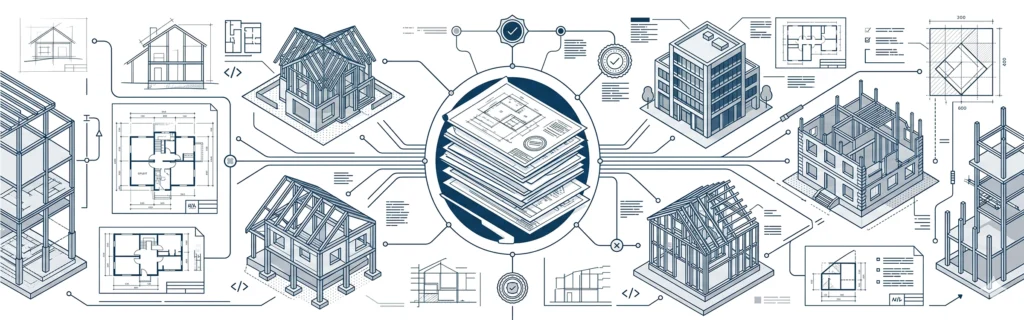

Any construction project – a new home, a commercial build, or a major renovation – requires official authorization before work begins. That authorization depends on one document package above all else: permit drawings. These are the technical plans that local authorities review to decide whether your project meets building codes, safety standards, and zoning regulations. Without approved drawings, there is no permit. Without a permit, there is no legal project.
This guide covers what permit drawings are, what they must contain, who can produce them, and how the full approval process works – from first sketch to the final stamped plans on site.
What Are Permit Drawings?
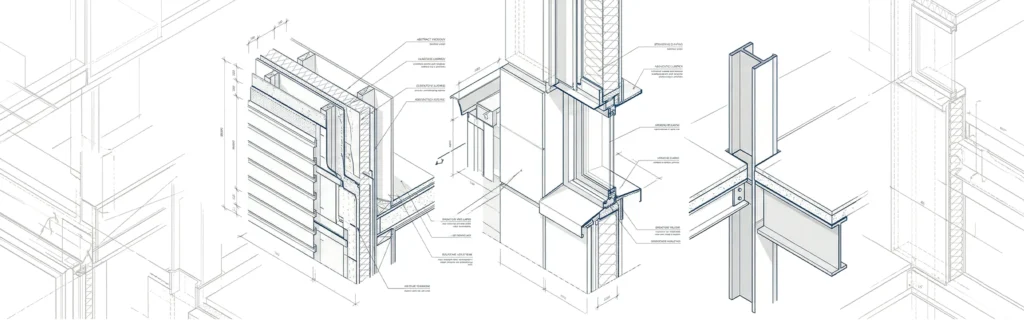
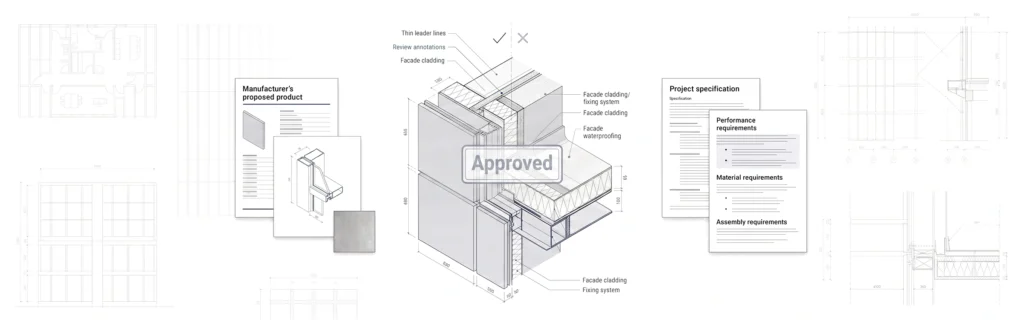
Permit drawings are the formal set of technical plans submitted to a permitting authority as part of a building permit application. These documents are meant to show local authorities that a proposed construction project meets all relevant building codes and regulations before any actual work begins. In practice, they are a core part of a broader architectural construction documentation process, helping ensure every drawing set is complete, compliant, and ready for approval.
They are precise, dimensioned, and technically complete – a different category from early-stage design sketches or concept presentations. Once approved, these documents serve as the definitive legal guide for the project’s construction, dictating the contractors’ methods and the inspectors’ verification procedures.
Permit Drawings vs Construction Drawings
They are not the same thing, and mixing them up creates real problems on site.
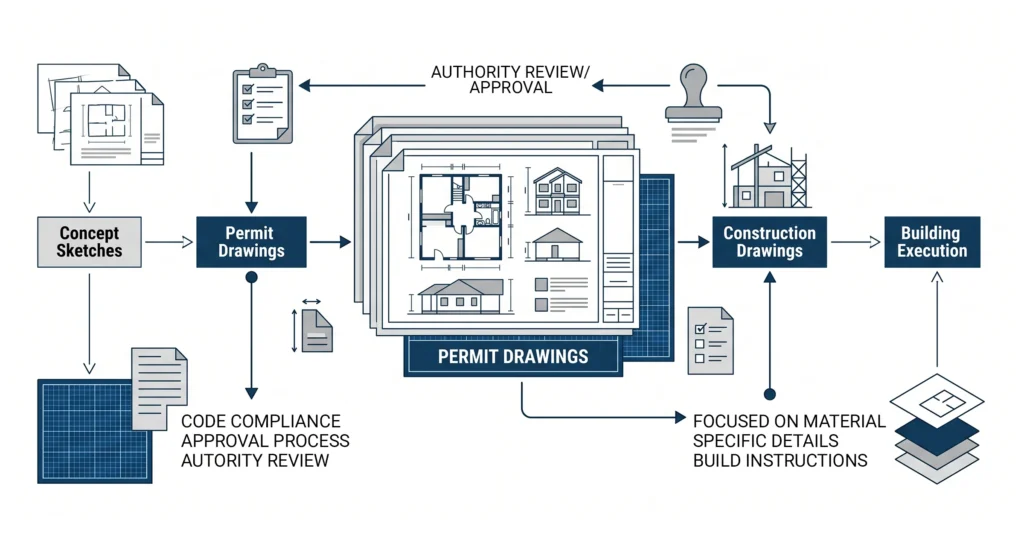
Permit drawings are prepared to satisfy the requirements of the permit review process. They include enough detail to demonstrate code compliance, but they are reviewed by plan reviewers – not built from directly.
Construction drawings – also called working drawings – are the full, detailed construction drawings that contractors actually build from. They include complete details, precise specifications for all materials, installation sequences, and coordination notes across all trades.
In practice, the permit drawing set is often developed first, then expanded into a full construction drawings package once approval is secured. The permit set focuses on compliance; the construction set focuses on buildability. On smaller projects, the two can overlap significantly. On larger or more complex builds, they are distinct documents with different audiences.
When Are Permit Drawings Required?
Most construction projects that alter a structure’s layout, use, or occupancy require a permit – and therefore permit drawings. Common situations include:
- New residential or commercial construction
- Structural additions or extensions
- Changes to load bearing elements
- Roof replacements involving structural work
- Conversions that change a structure’s use
- Major MEP system installations or replacements
Minor cosmetic work – painting, non-structural flooring, or simple fixture replacements – typically does not require a permit. When in doubt, contacting the local authority before starting work is always the safer option.
What Information Must Be Included in Construction Permit Drawings?
The specific requirements vary by jurisdiction, but most local building departments require the following core elements in any permit submission. Missing even one of these is enough to trigger rejection.
Site Plan
The site plan shows the project’s footprint within the property. It must include property boundaries, setbacks, access points, existing structures, drainage features, and any regulations relevant to the plot. Building officials review the site plan first to confirm the project sits within permitted parameters.
Floor Plans, Elevations, and Cross Sections
Floor plans furnish a comprehensive depiction of a building’s internal layout, encompassing room dimensions, wall configurations, and the positioning of doors, windows, and load-bearing elements. Elevations, conversely, illustrate the building’s exterior, with explicit dimensions provided. Cross sections, or vertical sections, penetrate the structure to reveal the internal connections among floors, the roof, and the foundation. These architectural drawings collectively furnish building officials with a thorough understanding of the design and construction specifics, thereby facilitating the verification of code adherence.
Structural Drawings and MEP Drawings
Structural drawings define how loads move through a building’s structure, including foundations, beams, columns, and how they connect. These structural plans must show that the building can safely support its own weight and any additional loads. Mechanical, electrical, and plumbing plans cover the full range of services systems. Both are key components of any complete permit submission and are reviewed against safety standards independently of the architectural drawings.
A final check before submission should confirm that all detailed drawings are internally consistent, all materials are specified, and every sheet includes the applicable code references.

How to Create Drawings for a Building Permit?
The process of creating permit drawings scales directly with the project’s size and complexity. Here is a practical step-by-step sequence.
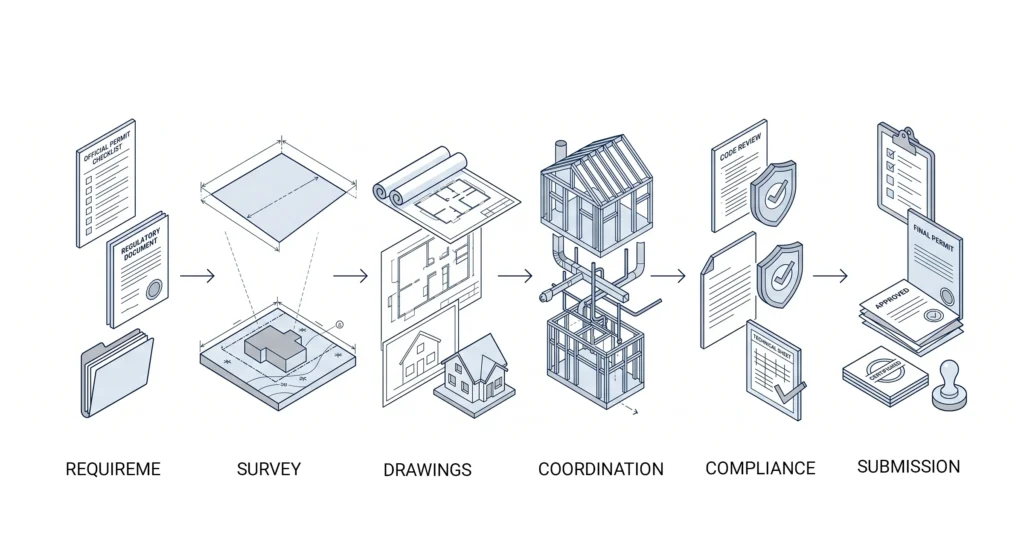
Step1. Confirm Local Requirements
Every jurisdiction has its own submission standards. Download or request the current checklist before creating any drawings. Requirements for a permit drawing set in Chicago differ from those in London or Toronto.
Step 2. Complete a Property Survey
Accurate permit drawings start with accurate measurements. A professional property survey confirms existing conditions, boundaries, and topography. Skipping this step is one of the most common sources of construction errors that surface only after approval.
Step 3. Develop the Drawing Set
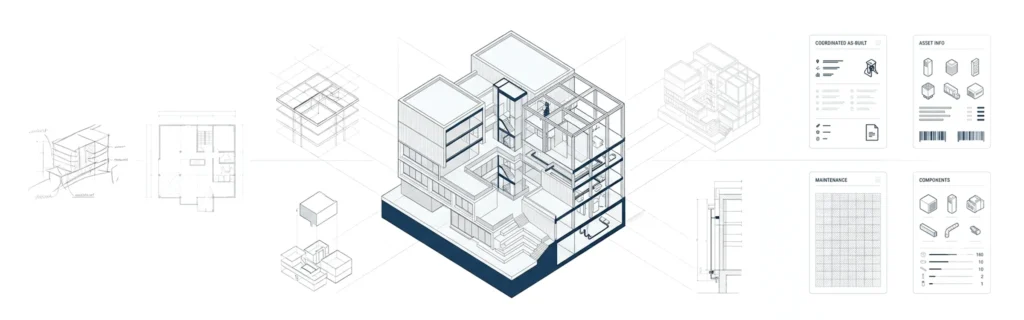
Produce all required drawings to the level of detail the reviewing authority requires. Using BIM software at this stage improves coordination accuracy across the full drawing set and reduces clashes between disciplines before submission.
Step 4. Coordinate Structural and MEP Work
Structural drawings and MEP drawings must coordinate with the architectural plans. Conflicts between disciplines discovered after permit approval lead to expensive changes on a project. Collaborating within a shared BIM file format enables teams to spot and fix potential problems before the package is submitted for approval, streamlining the entire workflow.
Step 5. Add Code References and Notes
Each sheet should reference the specific building codes and safety regulations it satisfies. Permit examiners verify these references against current standards during their review.
Step 6. Review and Submit
Review the complete set of drawings for consistency before submission. Confirm that dimensions, specifications for materials, and structural references are all complete. Strong construction documentation discipline at this stage reduces revision cycles and avoids the most common rejection triggers.
Building Permit Application Process
Permit drawings are one component of a broader permit submission. A comprehensive application usually encompasses the entire permit drawing set, along with structural calculations, all required application forms, evidence of ownership or authorization, and the payment of any associated fees. Assembling these construction documents correctly is crucial; incomplete submissions often lead to the most frequent delays.
Once submitted, local authorities assess the package against local building codes, zoning regulations, and safety regulations. Straightforward residential projects in cooperative jurisdictions can be approved in two to three weeks. Complex commercial projects can take three to four months, sometimes longer.
If the review identifies issues – unclear construction details, missing information, or non-compliant plans – a comment letter is issued. Revisions are made and the package is resubmitted. Once the permit is issued, the permit set must be kept on the jobsite for the duration of construction and made available to inspectors at each required inspection stage.
Common Challenges and How to Avoid Them
The most frequent causes of rejection and delay are:
- Incomplete submissions – missing sheets, unspecified materials, or absent structural calculations
- Coordination errors – conflicts between architectural, structural, and services drawings that reviewers catch before contractors would
- Code violations – details that do not comply with current municipal codes
- Outdated survey data – drawings based on incorrect property information
Addressing these during the drawing creation stage, not after submission, is the single most effective way to compress the overall construction process timeline.
Who Can Legally Create Permit Drawings?
The legal requirements for who can produce and submit permit drawings depend on jurisdiction, project type, and the project’s size.
In most US states, permit drawings for commercial structures and projects above a defined threshold must be prepared and sealed by a licensed architect or licensed engineer. Unlicensed submissions are rejected automatically.
For smaller residential projects, some jurisdictions allow licensed contractors or experienced homeowners to prepare and submit their own plans – provided those plans meet all specific requirements. The threshold at which a professional seal becomes mandatory is, however, lower than many owners expect. Checking with the local authority before hiring – or not hiring – a professional prevents wasted time and fees.
In the UK, plans submitted for Building Regulations approval do not always require an architect’s seal, but complex projects almost invariably involve licensed professionals to navigate the detail level requirements and ensure the approval process proceeds without serious problems.
The key roles involved in producing a permit drawing set are:
- Design professionals – lead design coordination, produce and manage the full set of drawings
- Structural consultants – deliver structural drawings and load calculations, which must be sealed for most commercial and large residential work
- MEP consultants – produce mechanical, electrical, and plumbing plans
- BIM technicians and drafters – develop and coordinate the permit package within the project team
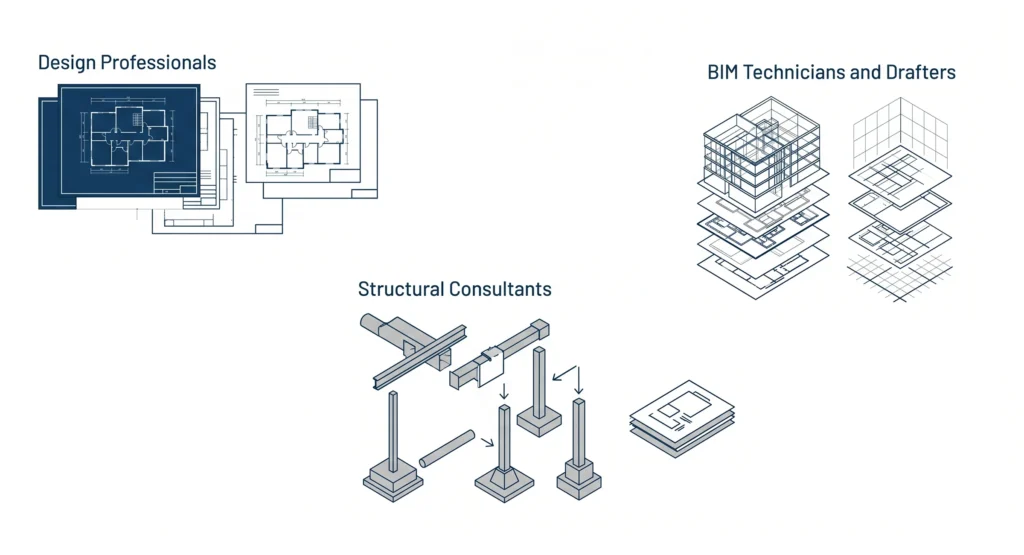
Understanding BIM in architecture clarifies how design professionals and structural consultants collaborate digitally on permit drawing sets – improving clear communication between disciplines, catching potential issues early, and shortening the overall building process.
If your project requires a complete set of permit drawings and you are unsure where to start, the team at MastTeam can assess your project needs and connect you with the right services.
Frequently Asked Questions About Permit Drawings
What is the difference between permit drawings and construction drawings?
Permit drawings are submitted to secure a building permit and focus on code compliance. Construction drawings are the full, detailed package that contractors build from. On small projects the two may overlap; on larger projects they are produced separately.
Can I start construction without approved permit drawings?
No. Starting construction without a permit is illegal in most jurisdictions and carries serious consequences – including stop-work orders, fines, and forced demolition of non-compliant work. Approved plans must be in place before work begins.
How long does the permit review take?
Two to twelve weeks is typical, depending on the authority’s workload, the project’s complexity, and whether the submission is complete. Incomplete or non-compliant plans are the most common reason for extended timelines.
What are the most common reasons permit drawings are rejected?
The most common problems arise from missing information, coordination issues between architectural and structural plans, code violations, and incorrect survey data.
Thorough internal review before submission addresses most of these.
Do permit drawings need a professional stamp?
For commercial structures and larger residential projects in most US states, yes. A stamp from a licensed architect or structural engineer confirms that the submission meets professional standards and applicable building codes. Requirements vary by jurisdiction.