
Before explaining what is the difference between BIM and VDC, it is important to define both concepts clearly. Many professionals use the terms interchangeably, but they represent different layers of the same digital transformation in the construction industry.
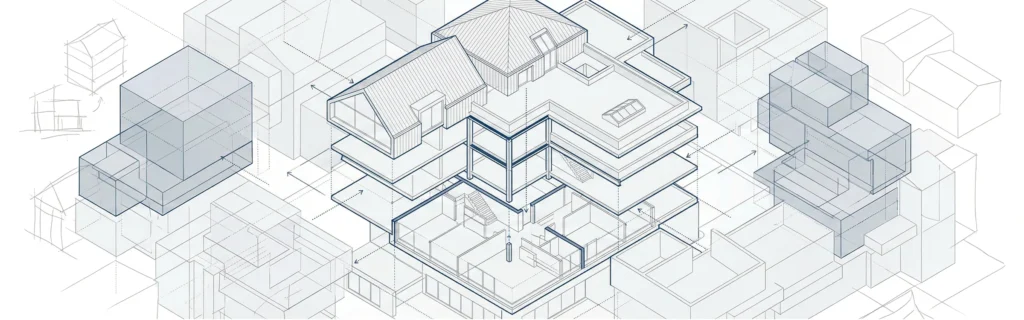
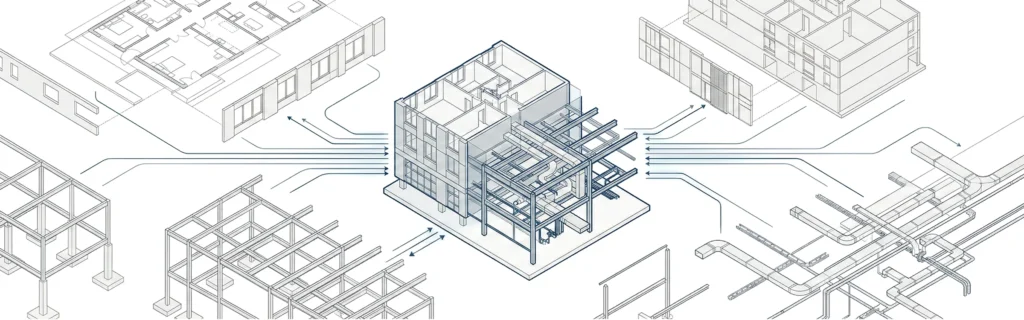
Building Information Modeling BIM is a process of information modeling that creates a structured digital representation of a physical building. A bim model contains geometry, data, and functional characteristics that support the design and construction process. BIM technology creates a shared data environment where project teams can collaborate inside a coordinated, data-rich system.
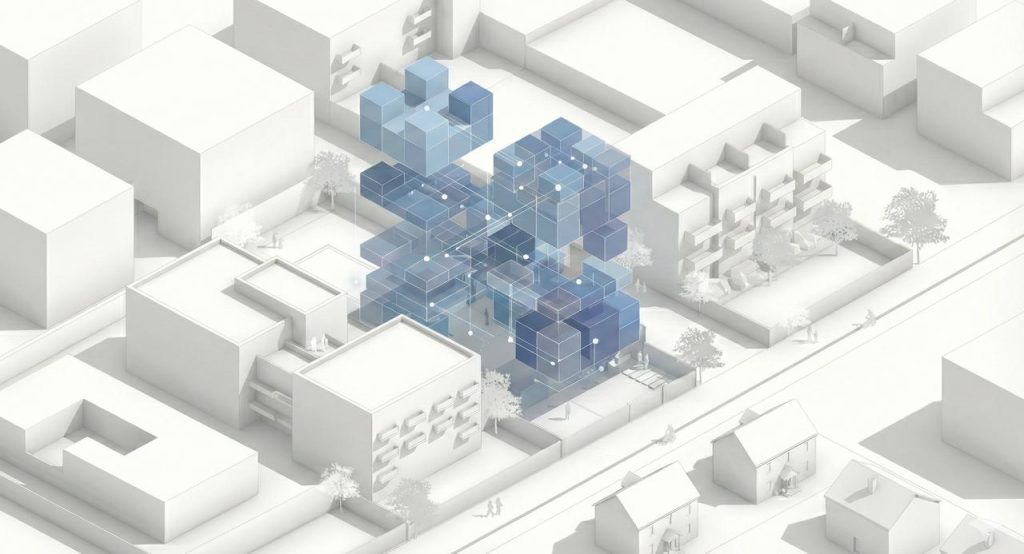
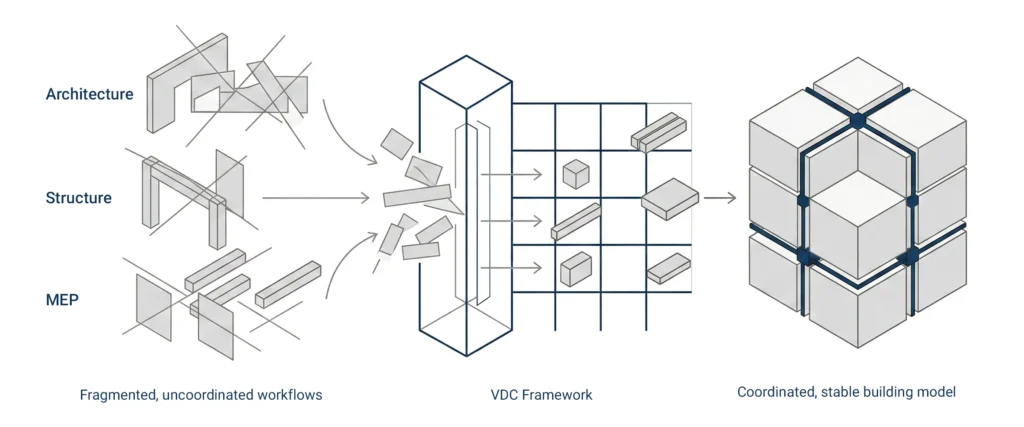
Virtual Design and Construction, often abbreviated as VDC, expands beyond the BIM model. Virtual design and construction combines BIM technology, construction simulation, scheduling and risk management, cost estimation, and integrated multidisciplinary performance models. VDC processes aim to digitally plan and optimize a construction project before breaking ground.
So when someone asks what is vdc bim or what is bim/vdc, they are often referring to how these methodologies interact within a single collaborative approach.
Key Differences Between BIM and VDC
The key differences between BIM and VDC relate to scope and application.
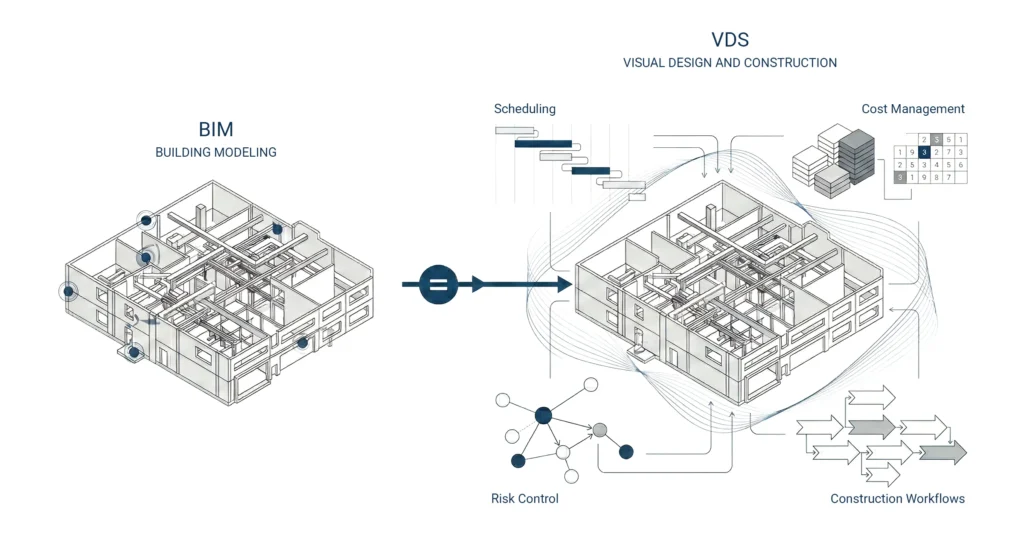
BIM focuses on creating and managing a single model that serves as a digital representation of a building’s geometry and data. It supports design phase coordination, clash detection, and project review.
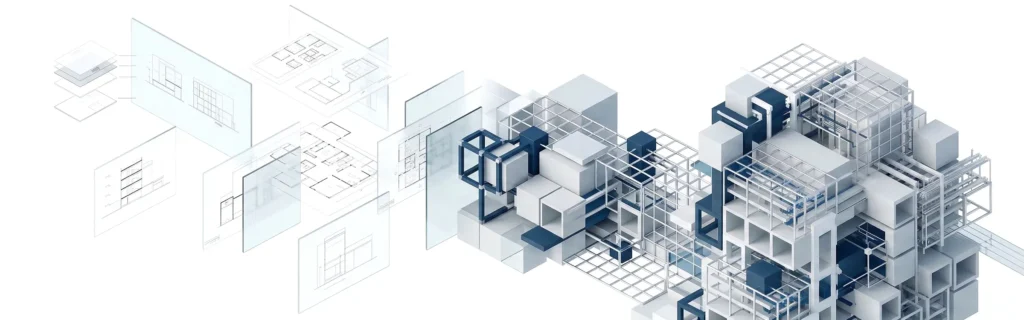
VDC, on the other hand, is a broader framework. Virtual design and construction integrates BIM with scheduling, risk management, cost estimates, construction workflows, and lifecycle management. It aligns technology, people, and process to improve project outcomes.
In simple terms:
- BIM = information modeling and model creation
- VDC = strategic application of BIM plus management systems
Understanding bim and vdc together allows construction professionals to align digital tools with project delivery goals.
How BIM Works Within Virtual Design and Construction
To fully understand what is the difference between BIM and VDC, you must see how BIM functions inside the VDC ecosystem.
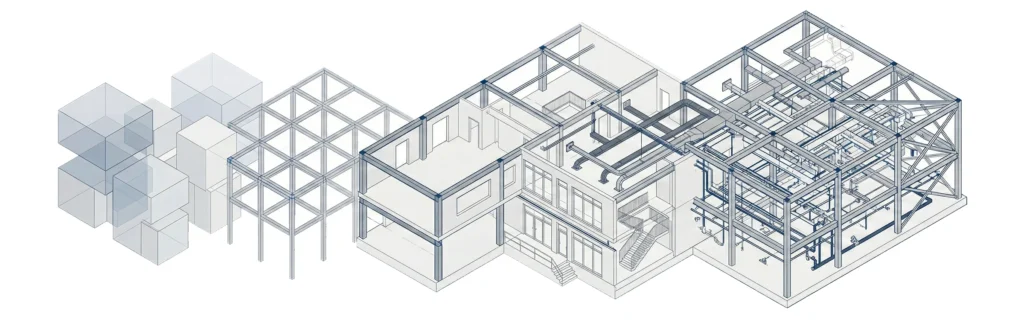
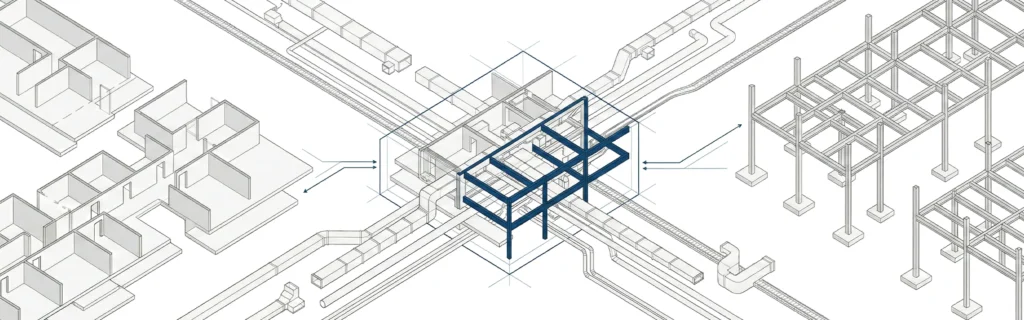
A BIM model provides the foundation. It includes building designs, structural systems, electrical systems, and construction plans. This data becomes part of a virtual environment where VDC technology applies simulations, cost estimation, and scheduling and risk management.
Through vdc and bim, teams can digitally plan construction progress, detect costly mistakes before construction begins, and optimize resource allocation. BIM coordination supports model review, while VDC processes connect that data to construction scheduling and cost control.For a practical explanation of how BIM operates step by step, review how does BIM work.
Key Differences Between BIM and VDC in a Construction Project
When comparing BIM and VDC in a construction project, the differences become clearer across project phases.
Scope:
BIM focuses on model development and data management. VDC encompasses the entire project lifecycle, including construction management and risk management.
Process:
BIM supports the design process and model creation. VDC defines a specific process for collaboration, decision making process, and performance optimization.
Application:
BIM technology is used heavily during the design phase and coordination stages. VDC continues through construction and into facility management.
These key differences highlight why vdc technology is considered an ideal strategy for complex projects.
BIM and VDC Across the Project Lifecycle
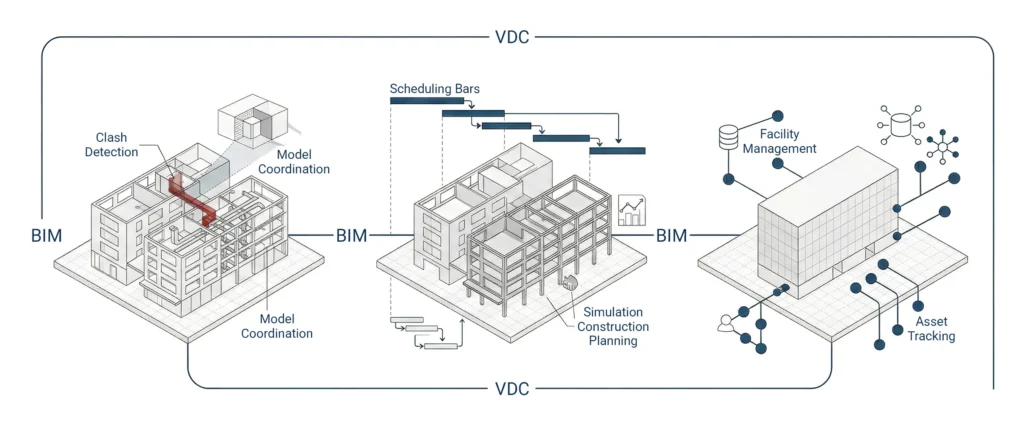
During design and construction, BIM ensures accurate digital models and clash detection. VDC integrates those models with construction simulation and scheduling to improve coordination before breaking ground.
Once construction begins, VDC processes support construction management, construction scheduling, and monitoring of construction progress.
In later project phases, lifecycle management and facility management benefit from BIM data. Building owners rely on structured information to manage the building lifecycle efficiently.
VDC and BIM in Construction Management and Scheduling
Construction management benefits significantly from the integration of BIM and VDC.
Project managers use digital software and cloud technology to align scheduling and risk management strategies. Construction workflows become more predictable when VDC models are linked to cost estimates and scheduling data.
With vdc technology, teams can digitally plan site logistics, simulate construction sequences, and reduce environmental impact.
Because VDC integrates building information modeling with management systems, it improves decision making and reduces costly mistakes.
How VDC Technology Improves Project Outcomes
VDC technology improves project outcomes by aligning digital tools with performance goals.
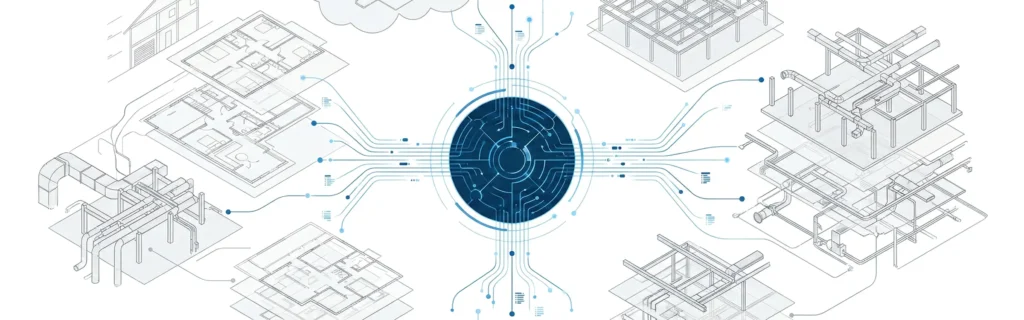
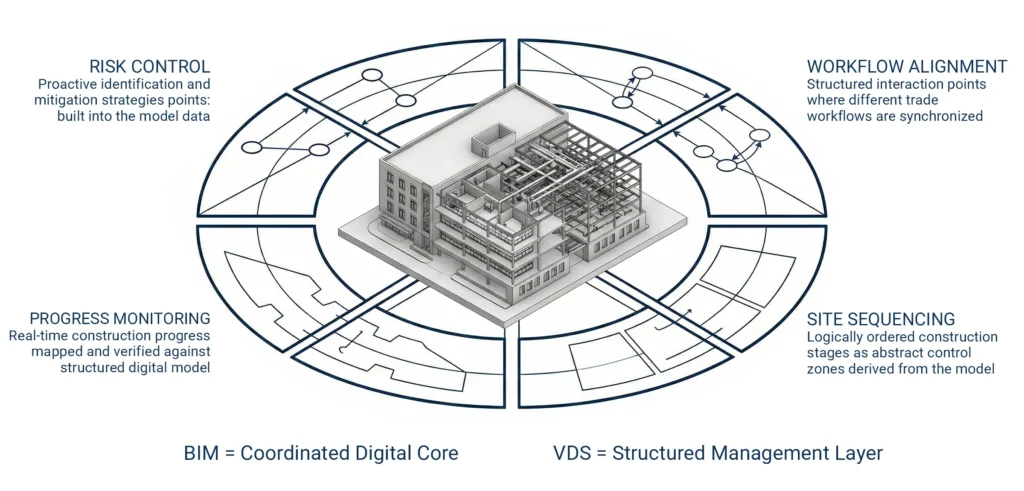
Instead of using BIM only as a modeling tool, VDC applies integrated multidisciplinary performance models. These models evaluate cost, schedule, energy performance, and construction feasibility simultaneously.
By combining virtual design, construction simulation, and BIM software, project stakeholders can achieve better collaboration and reduce uncertainty.
This collaborative environment supports real time collaboration among structural engineers, architects, and construction professionals.
BIM vs VDC for Different Project Stakeholders
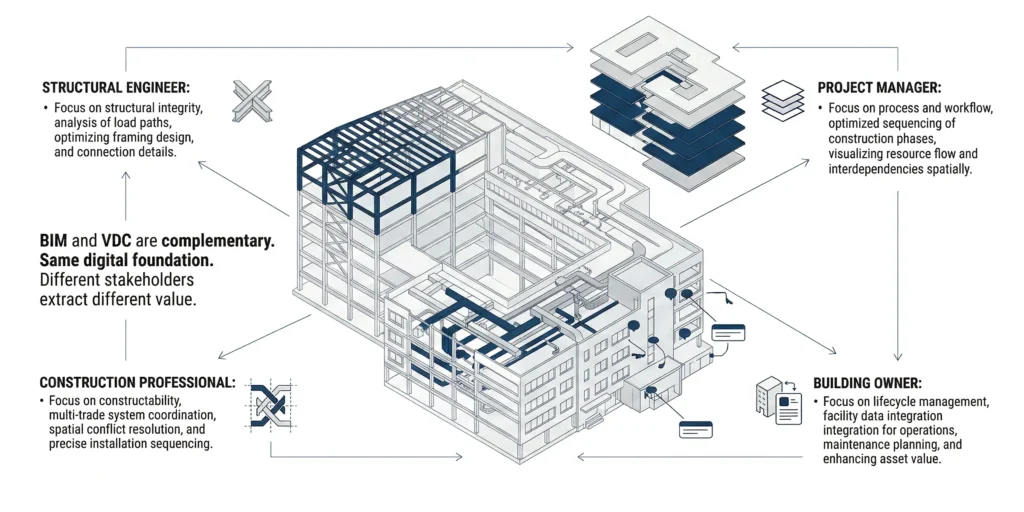
Different stakeholders experience BIM and VDC differently.
- Structural engineers use BIM models to coordinate building systems.
- Project managers rely on VDC for scheduling and risk management.
- Construction professionals use BIM coordination to align field execution.
- Building owners benefit from lifecycle management and facility management insights.
Understanding these roles clarifies why bim and vdc are complementary rather than competitive methodologies.
For more detail on coordination workflows, see what is BIM coordination.
When to Use BIM, VDC, or Both
Most modern construction projects use both BIM and VDC.
BIM is essential whenever a coordinated digital representation is required. VDC becomes critical when the project demands advanced scheduling, risk management, and performance optimization.
For small projects, BIM alone may be sufficient. For complex projects with multiple stakeholders, integrated VDC processes offer a stronger strategic framework.
In practice, the difference between BIM and VDC is not about choosing one over the other-it is about integrating them effectively.
BIM, VDC, and the Future of Construction
As information technology and digital tools evolve, BIM and VDC will continue shaping the built environment. Advanced technology such as reality capture, cloud-based platforms, and Autodesk Revit enhance BIM models and VDC workflows.
The future of the construction industry depends on combining building information modeling with virtual design and construction strategies.
If your next project requires structured digital workflows and coordination, you can discuss implementation strategies with MastTeam via the Contacts page.
VDC and BIM FAQs
What is VDC BIM?
VDC BIM refers to how virtual design and construction uses building information modeling as its foundation for integrated project planning.
What is BIM/VDC in simple terms?
BIM/VDC describes the combination of digital modeling and management systems to plan, simulate, and optimize construction projects.
What is the difference between BIM and VDC?
BIM focuses on modeling and information management, while VDC integrates BIM with scheduling, risk management, and performance optimization.
Is VDC only for large construction projects?
VDC is most valuable on complex projects, but its principles can improve project outcomes on smaller developments as well.
How do BIM and VDC improve decision making?
They provide structured project information, enabling better decision making and reducing costly mistakes.