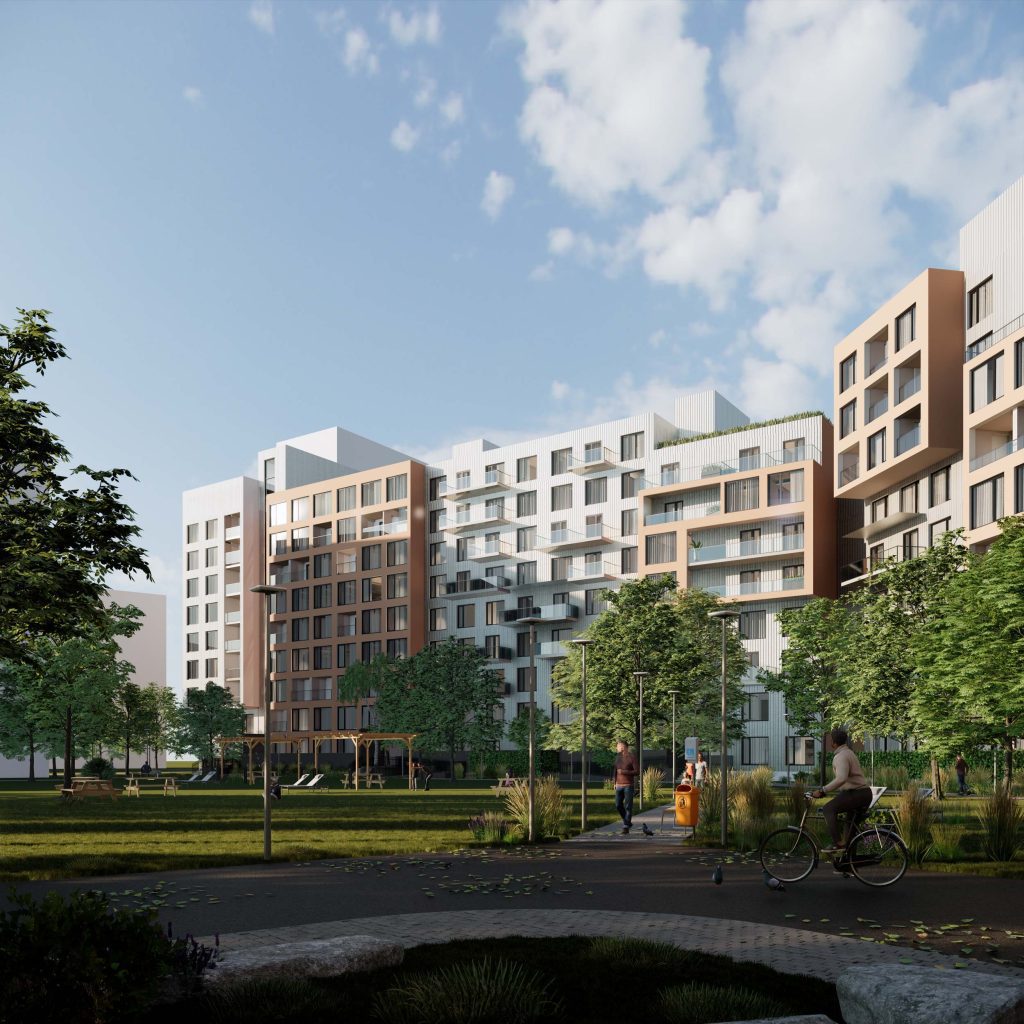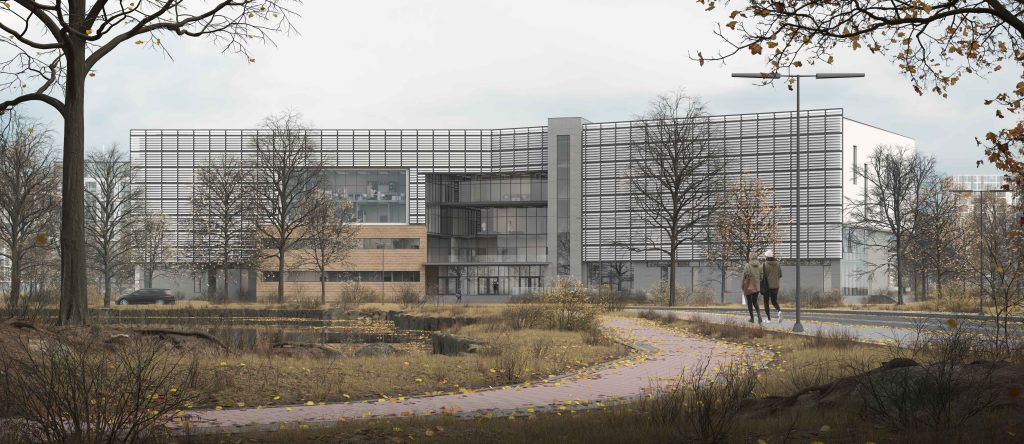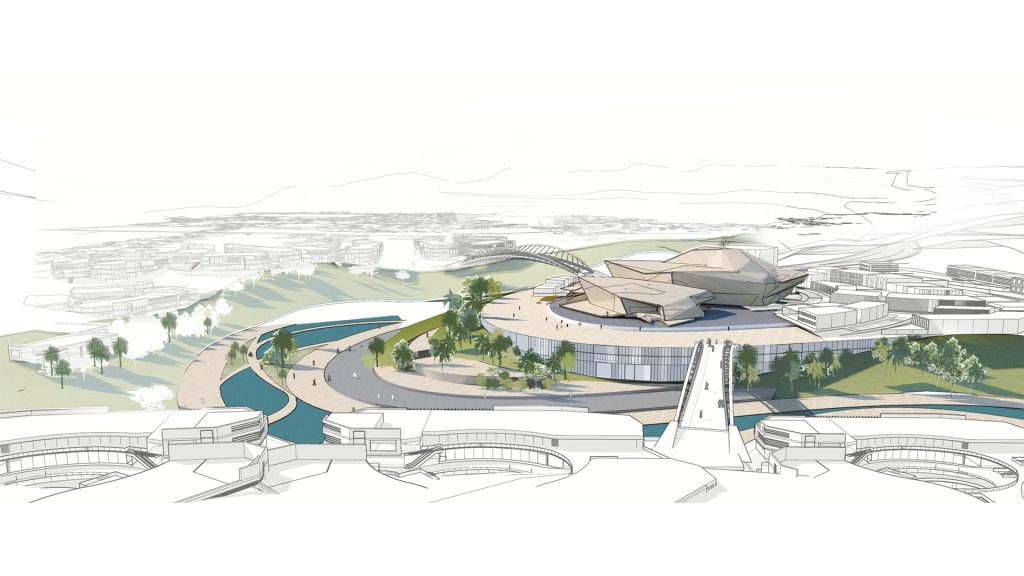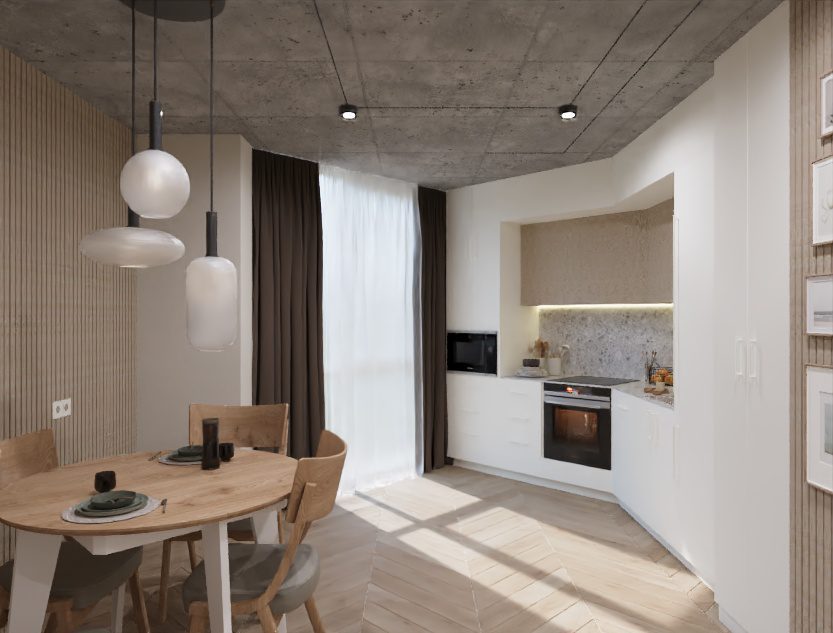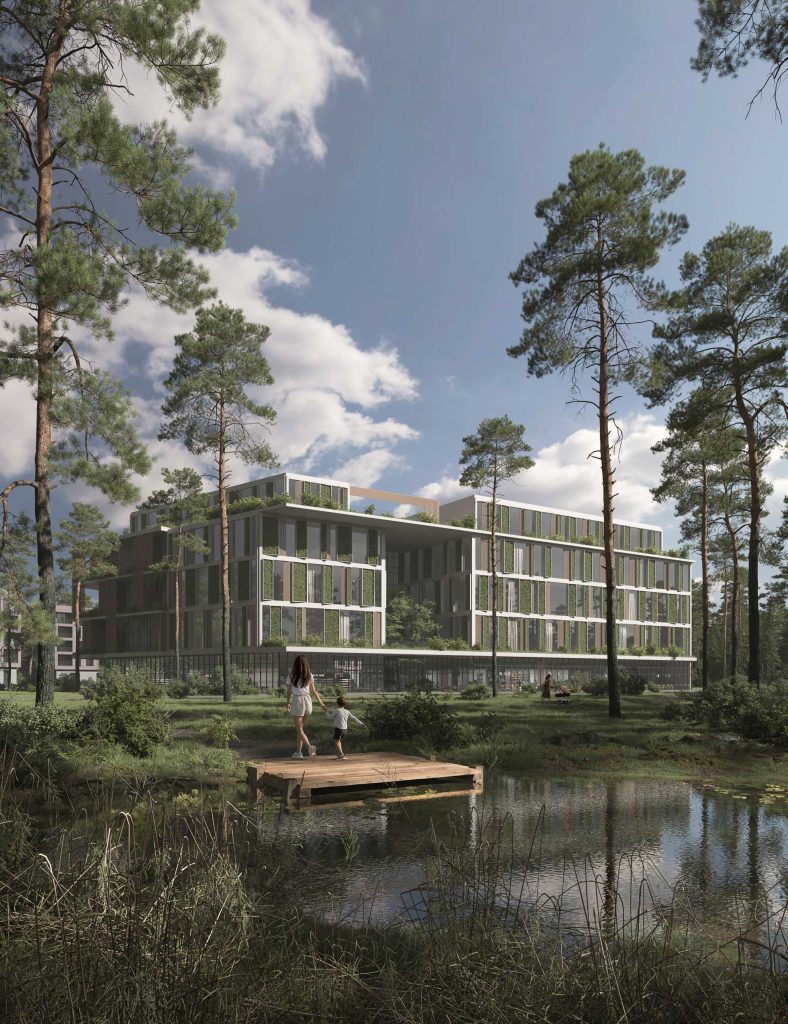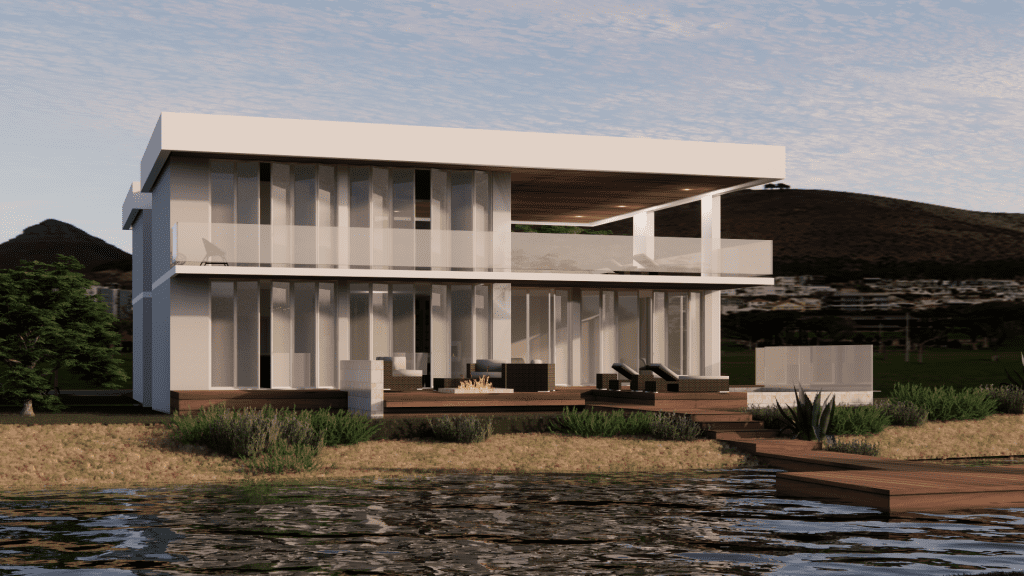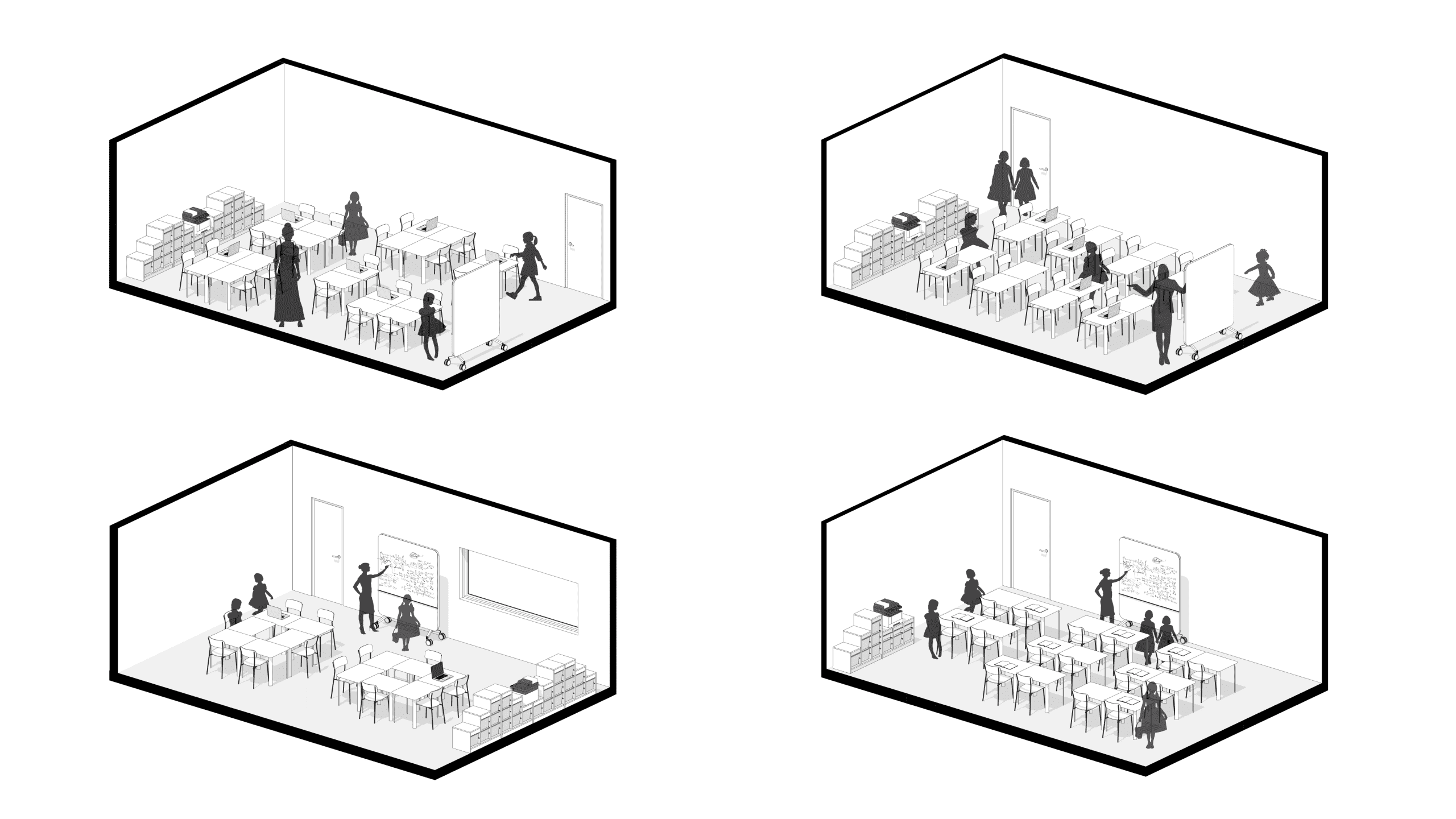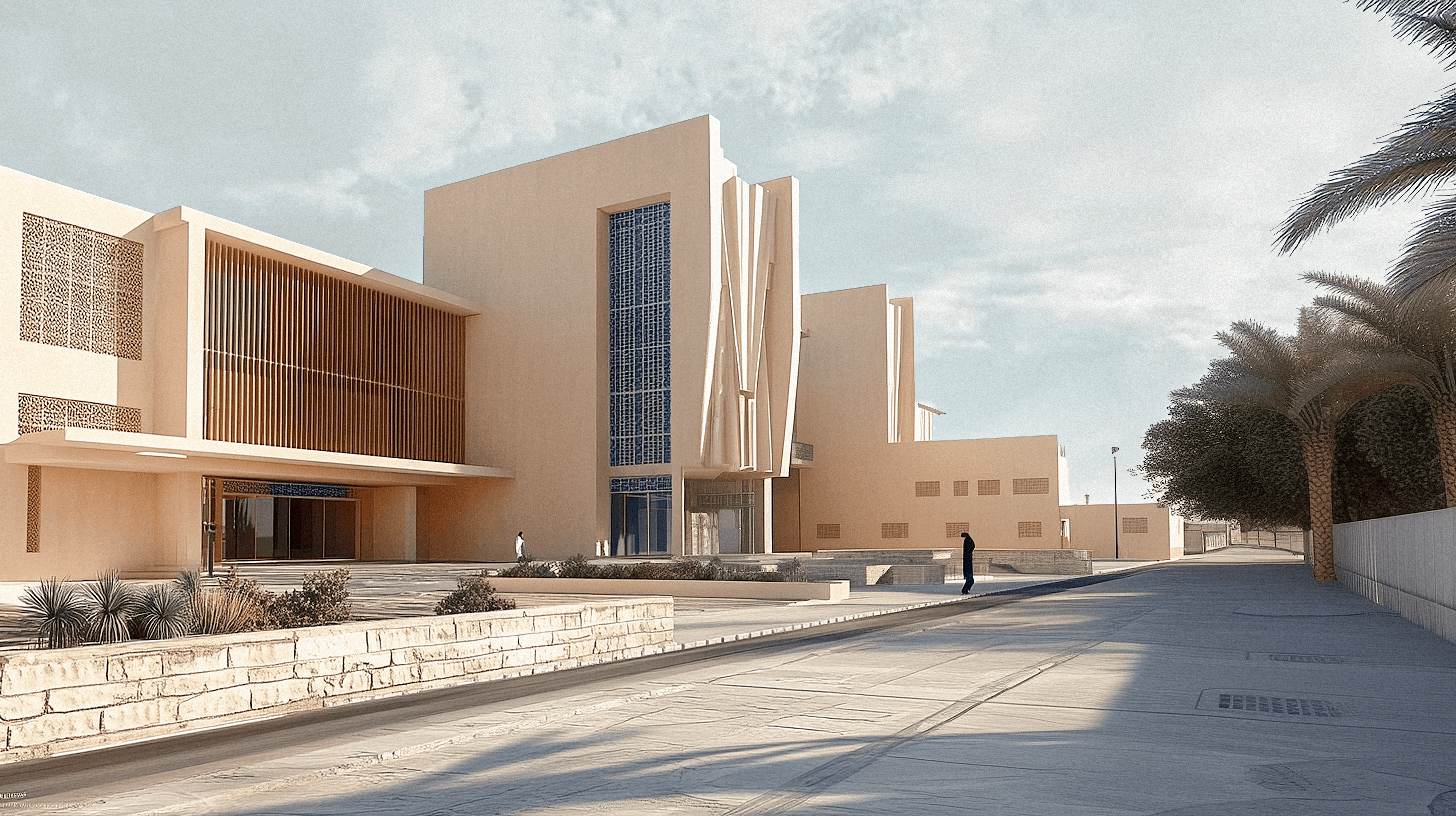
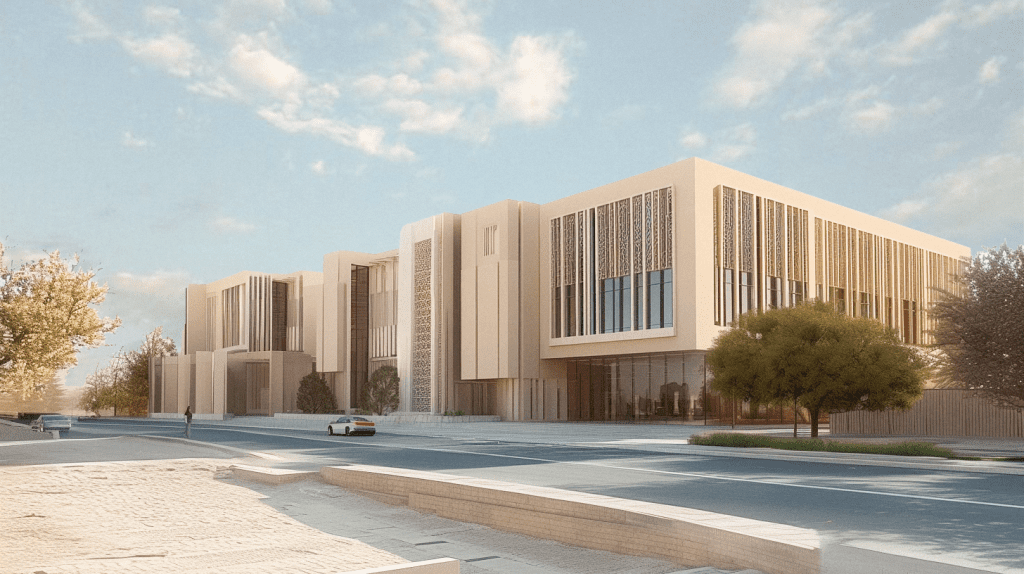
This school project is driven by the principle of achieving maximum functional efficiency while minimizing structural intervention and construction time. A key objective was the clear separation of students by age groups in order to create a safe, comfortable, and well-organized educational environment. The school accommodates two age groups—students aged 9–15 and 15–18—which directly informed the spatial and planning strategy.
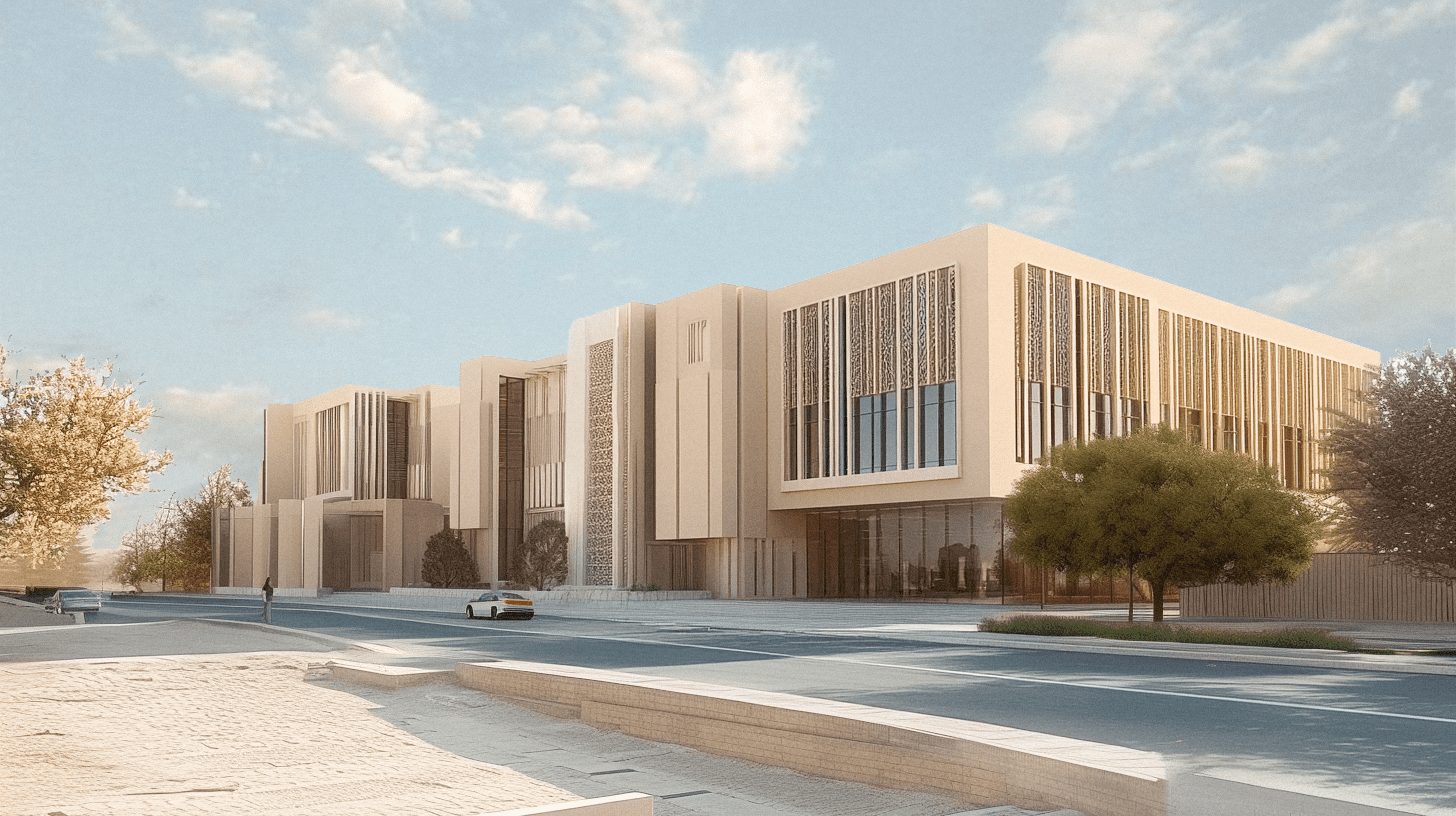
Separate entrances to both the school grounds and the building are provided for each age group, ensuring controlled circulation and reducing unnecessary interaction. Administrative and management areas accessible to parents are located on the ground floor, allowing visitors to resolve administrative matters without disrupting the educational process. Teaching spaces for younger students are also concentrated on the lower levels, while classrooms for older students are placed on newly added upper floors constructed with lightweight, prefabricated metal structures that minimize load on the existing building and allow for rapid assembly.
A new laboratory and specialized education building forms an essential part of the first construction phase and is directly connected to the existing school via a second-floor bridge, providing efficient and safe access for students. In the second phase, the campus expands further, consolidating senior students within the new building while preserving the existing structure for younger age groups.
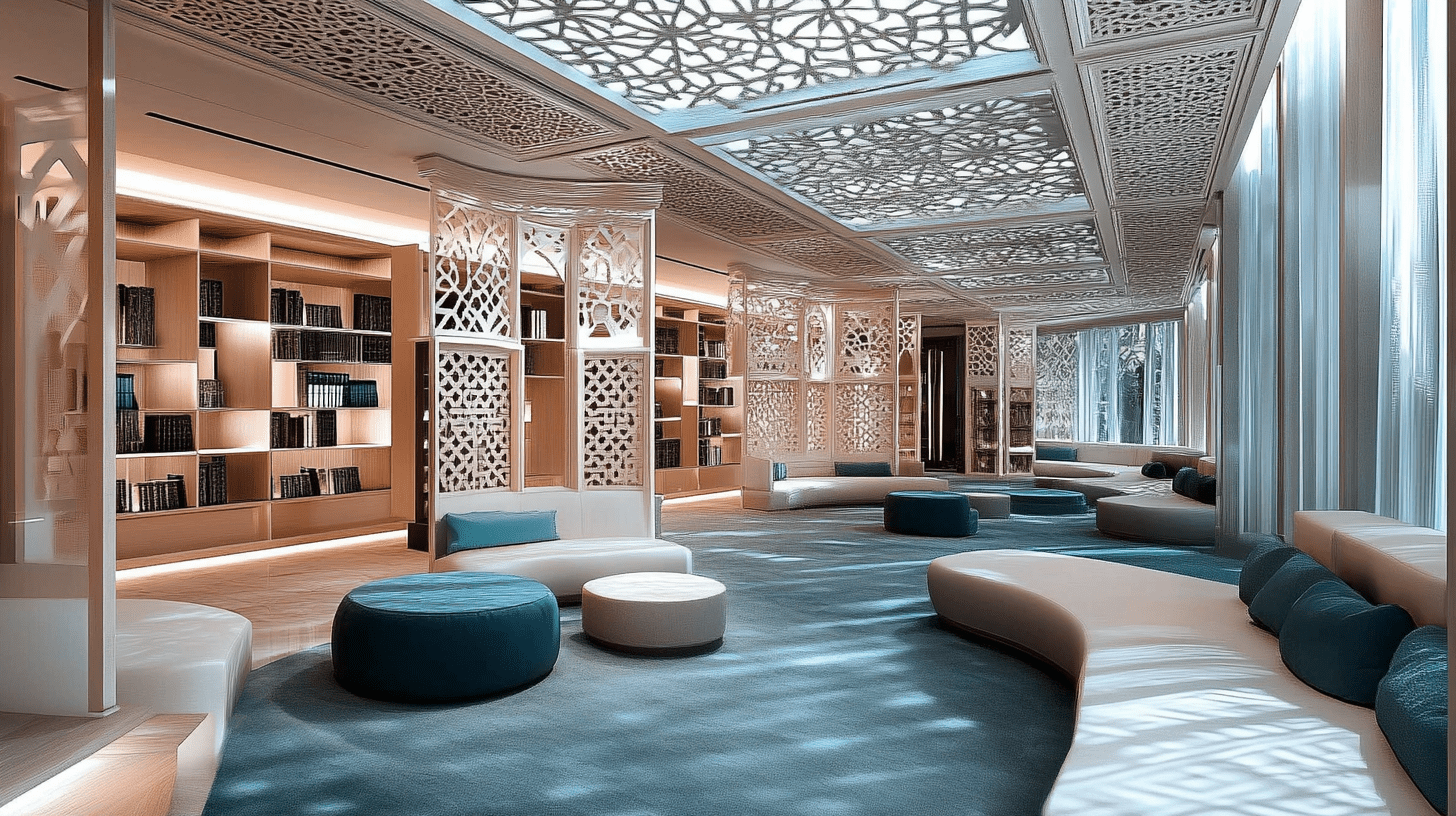
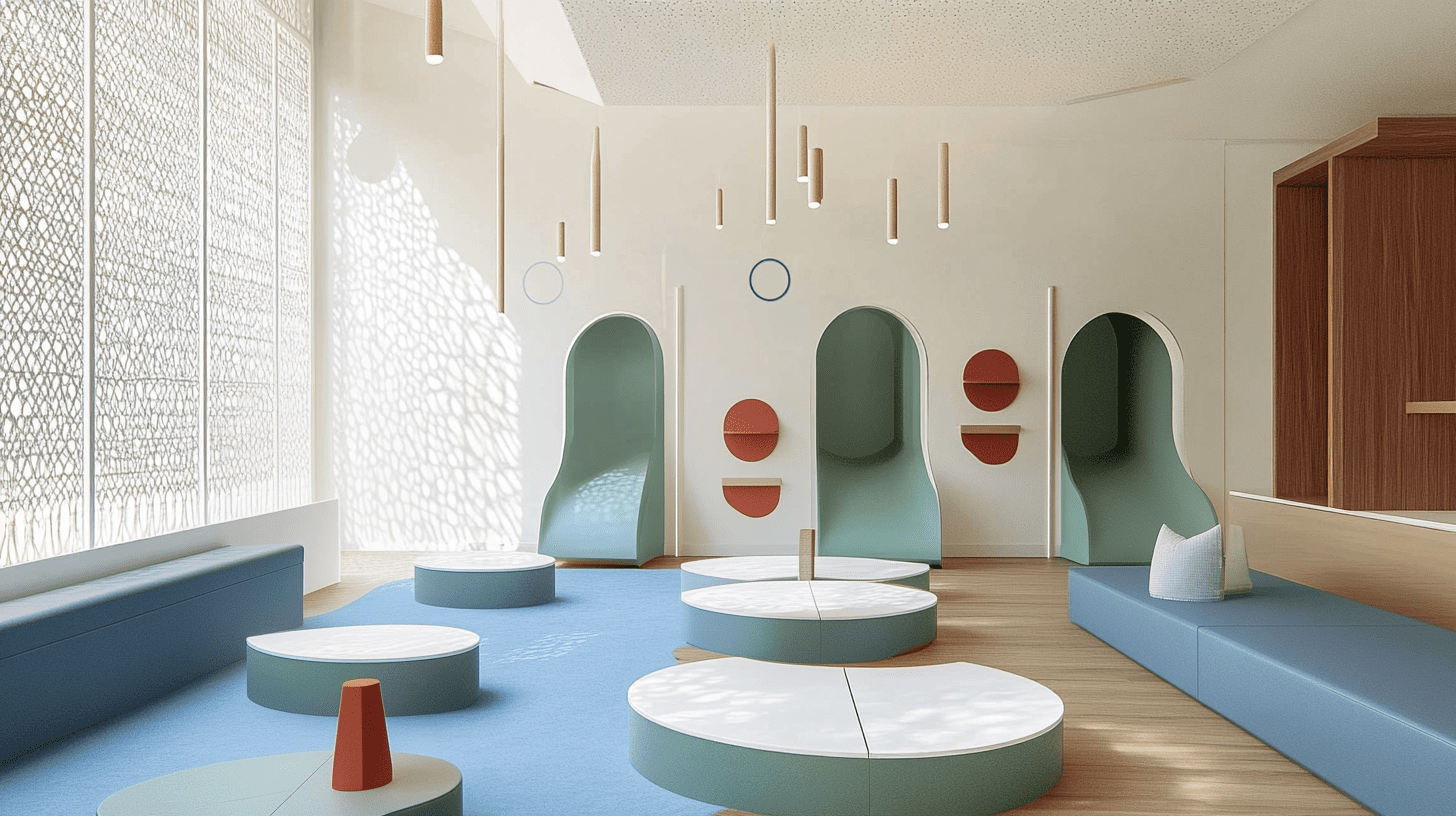
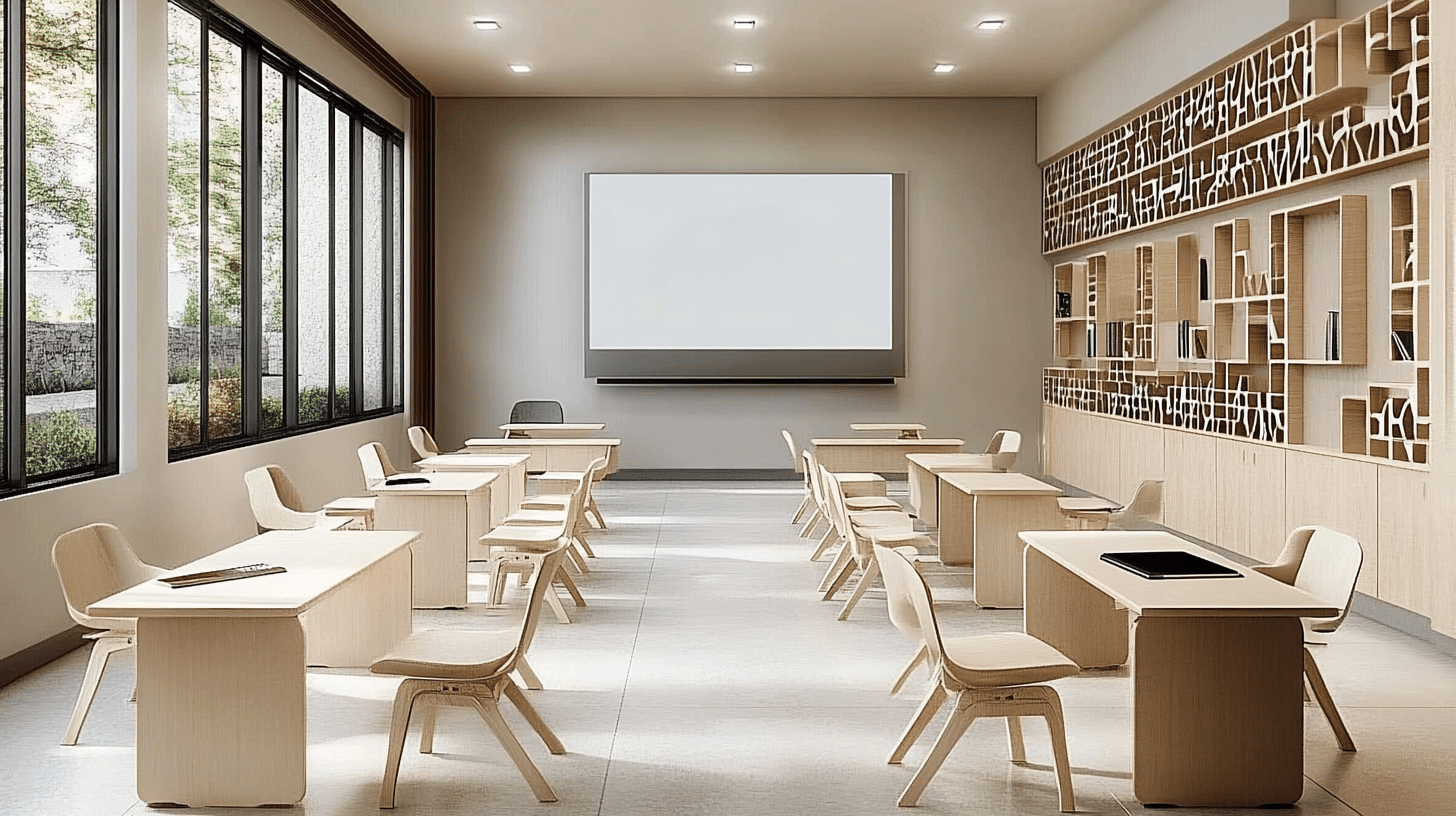
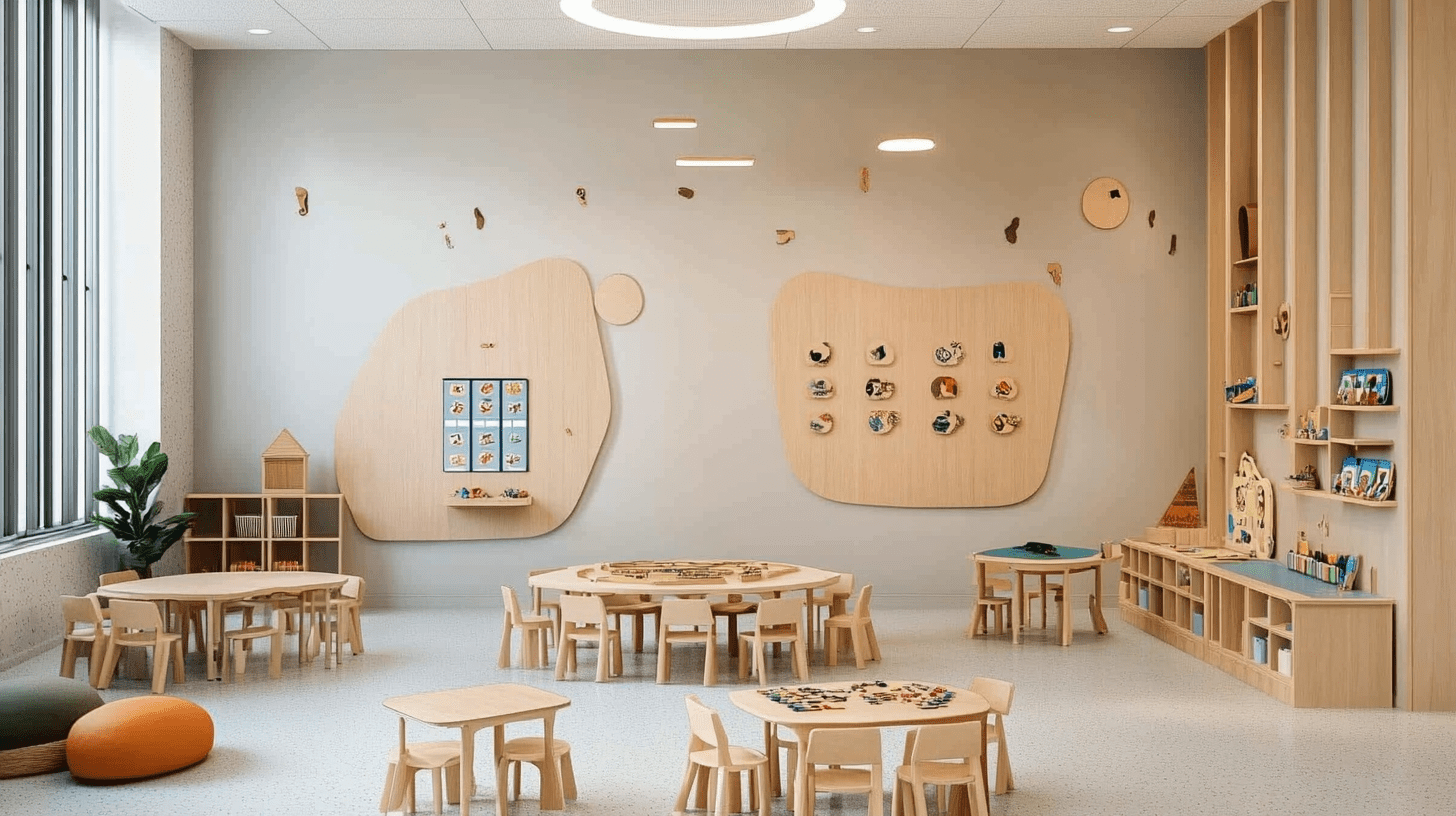
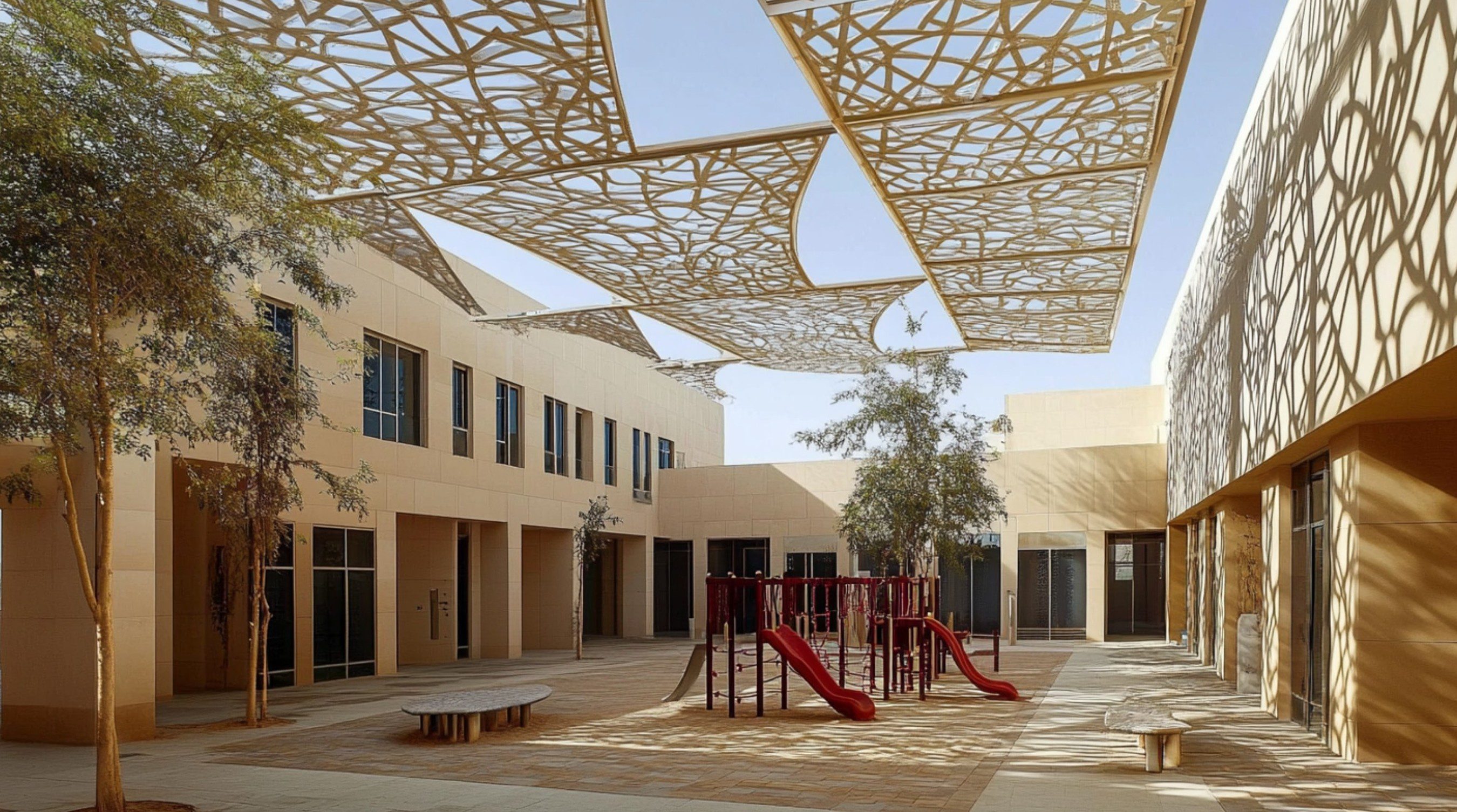
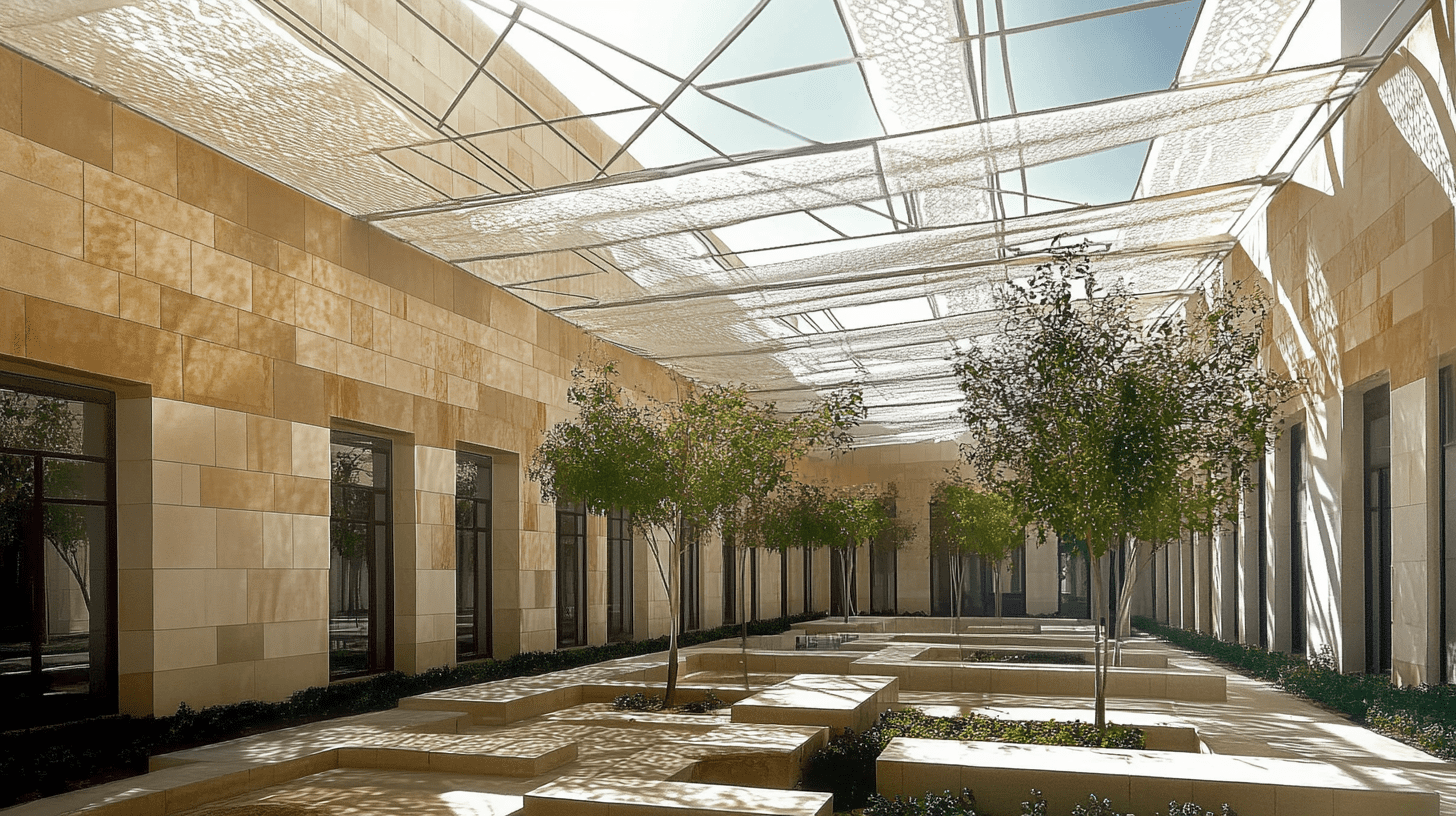
The design places strong emphasis on climate responsiveness, particularly suited to Saudi Arabia’s hot climate. Shaded inner courtyards, lightweight canopies, and natural ventilation create comfortable outdoor learning and recreation spaces. Flexible classroom layouts with mobile furniture support diverse teaching formats and foster creativity, collaboration, and engagement.
Together, these architectural solutions form a cohesive, adaptable, and future-ready educational environment that balances functionality, student comfort, and sustainable design principles.